

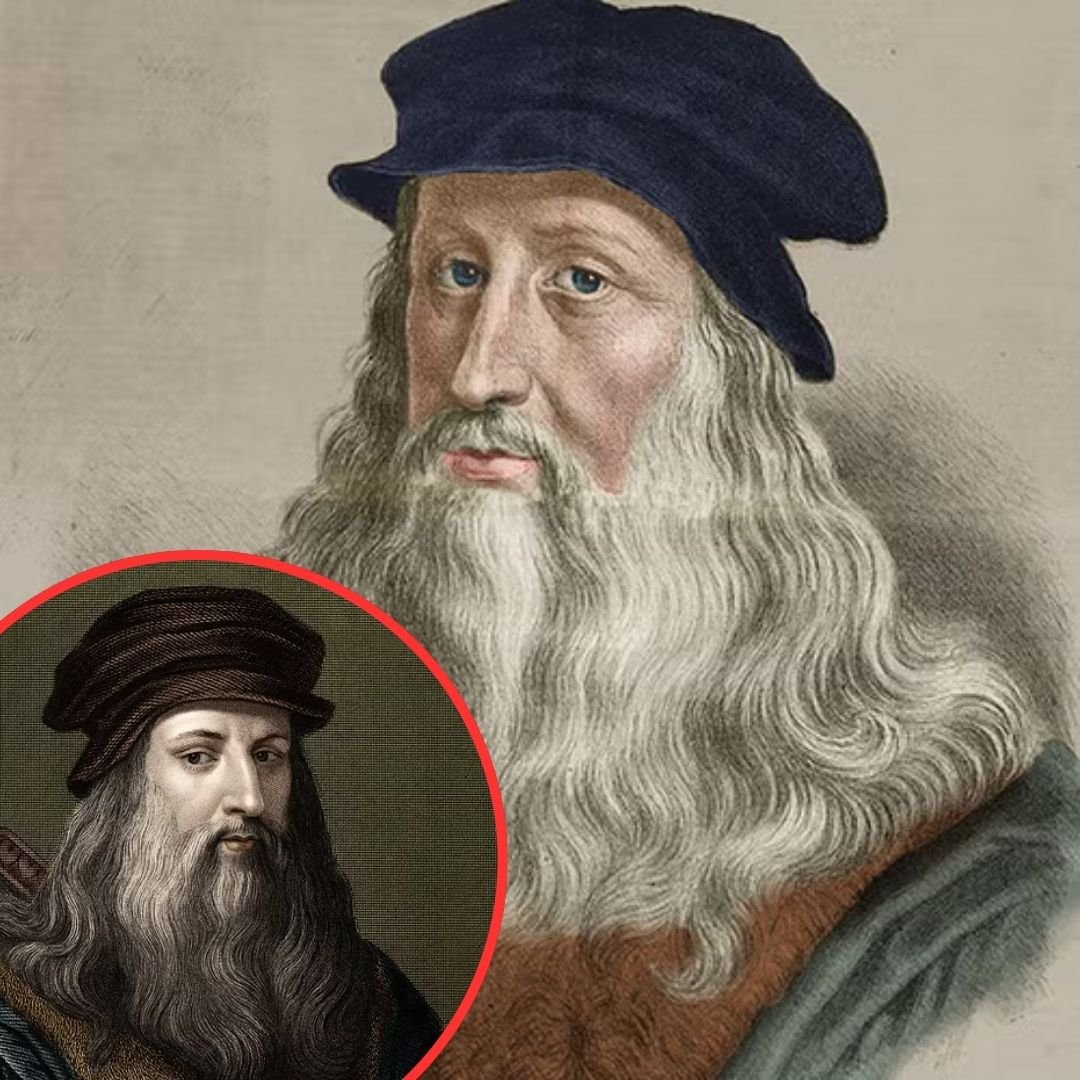
Leonardo da Vinci was an Italian Renaissance polymath, known for being a painter, sculptor, architect, musician, scientist, and engineer. Leonardo da Vinci grew up in Vinci, a small town in Italy. From a young age, he showed interest in nature and objects around him. He spent much time watching animals and the movement of water. He liked drawing what he saw and tried to understand how things worked. He had no formal education like others, but learned by observing. His curiosity stayed strong from childhood to his last years.
He walked long paths near fields and hills near Vinci and learned from daily life. His habits of watching birds, people, and shapes helped him later in painting and design. Life in the countryside shaped his thinking. Leonardo looked for reasons behind every action and movement. That habit became part of his art and ideas.
Leonardo da Vinci’s Siblings
Leonardo had many half-brothers and half sisters from his father’s later marriages. He was an only child of his mother. Father married several times and had around 12 more children. These brothers and sisters were much younger. Leonardo did not spend much time with them as he left home early for work in Florence.
Records show no strong bond with those siblings. Family inheritance went to them after their father’s death because Leonardo was born outside marriage. He accepted that quietly and stayed busy with art and study. His brothers lived normal lives while he became a name remembered for centuries.
Leonardo da Vinci was Born
Leonardo was born on April 15, 1452, in Anchiano near Vinci, Italy. His full name was Leonardo da Vinci, which meant Leonardo, son of Piero, from Vinci. His father, Ser Piero, worked as a notary, and his mother, Caterina, worked on the land. Parents were not married, so he lived with his father’s family.
He grew up between two worlds, one of learned people and another of workers. Both gave him different kinds of knowledge. He started drawing as a child, and people around him noticed his skill. When he reached his teenage years father sent him to Florence to join the workshop of Verrocchio, a known painter of that time. That step began his long journey as an artist and thinker.
Leonardo da Vinci Family Background
The father of Leonardo came from a respected line of notaries who worked in law and writing. He handled documents for town officials. Mother belonged to the working class. Because they came from different levels of society, marriage was not allowed. Still, both played a role in shaping his life.
Father noticed his son’s skill and helped him learn art in Florence. That support opened a path for him. Mother gave care during the early years in Vinci. He moved between the homes of both families during childhood. The family name “da Vinci” simply means from Vinci, showing a link to the birthplace. This mix of worlds gave Leonardo a strong base for the study of both people and nature.
Leonardo da Vinci’s Personal Life
Leonardo never married and had no children. He stayed focused on work and study. He traveled through many Italian cities like Florence, Milan Rome and later moved to France. He worked for patrons, rulers, and kings, creating art and designs. People described him as a calm and gentle person who loved learning.
He wrote notes about people’s body machines, stars, and animals. His notebooks were filled with sketches and writings written backward from right to left. He kept a private life and avoided large social events. He lived simply and used time for painting, planning, and studying. He enjoyed music, reading, and talking with students. Work remained his main focus all his life.
Leonardo da Vinci’s Favorite Things
Leonardo liked observing animals and nature. He enjoyed sketching horses, birds, and plants. He cared for living things and freed birds sold in markets. He also liked music and played lyre. The sound of music helped him think while working. He liked studying the movement of water and the shapes of clouds.
He preferred simple food, mostly fruits, vegetables, and bread. Many historians believe he avoided meat. He liked to keep notebooks near him wherever he went. He wrote down ideas, drawings, and plans for machines. He found joy in discovery and in the beauty of the world around him.
Leonardo da Vinci Diet and Fitness
Leonardo followed healthy habits that kept him active. His daily life included walking long distances and standing for hours while painting or sculpting. He stayed in good shape through regular work rather than planned exercise. He studied body structure through drawings and knew how the body worked.
He ate light food, natural on plants, grains, and nuts. He avoided meat and preferred natural food. He believed the mind worked better when the body stayed clean and balanced. His lifestyle helped him continue working for long hours without much rest. A study of anatomy also made him understand the strength and movement of muscles, which helped his art appear more real.
Leonardo da Vinci’s Income
Leonardo earned money through painting, sculpture, design, and teaching. He worked for noble families who paid him for art and inventions. In Milan, he served Duke Ludovico Sforza, creating weapons designs and artwork. Later, he worked for King Francis I in France. His income came from these projects and royal payments.
He used earnings for materials and study. He supported assistants who helped him complete large works. He was careful with spending and focused on knowledge rather than wealth. Records show he remained financially secure near the end of life. Though not the richest man of his time, he lived comfortably and was respected by rulers and scholars.
Leonardo da Vinci: Unknown Facts
Many surprising facts exist about Leonardo. He wrote thousands of pages of notes covering art, science, machines, and anatomy. He used mirror writing to hide work. He could draw with one hand and write with the other at the same time. He made designs for flying machines and tanks long before real ones were made.
He studied human skeletons and muscles with deep interest. He planned bridges and water systems for cities. He left many ideas unfinished, but each showed a sharp mind. Some notebooks are still studied today for new discoveries. His imagination crossed the limits of time and changed the way people think about science and art.
Leonardo da Vinci’s Death
Leonardo died on May 2, 1519, in Amboise, France. He was 67 years old. He lived last year in a small house near King Francis I, who treated him as a friend. During those years, he worked on drawings and taught students who visited him.
Before his death, he gave notebooks and unfinished works to a pupil named Francesco Melzi. Leonardo was buried in the Church of Saint Florentin in Amboise. Many of his papers were scattered after his death, but a few survived. His influence continued through art, science, and the study of design. His work remains a symbol of human curiosity and learning.
Wrapping it up!
Leonardo da Vinci remains a name connected with creativity and knowledge. His life from Vinci to France showed the power of curiosity and study. He mixed art with science and opened new ways of thinking. Even after centuries, his notes and paintings inspire students, researchers, and artists.
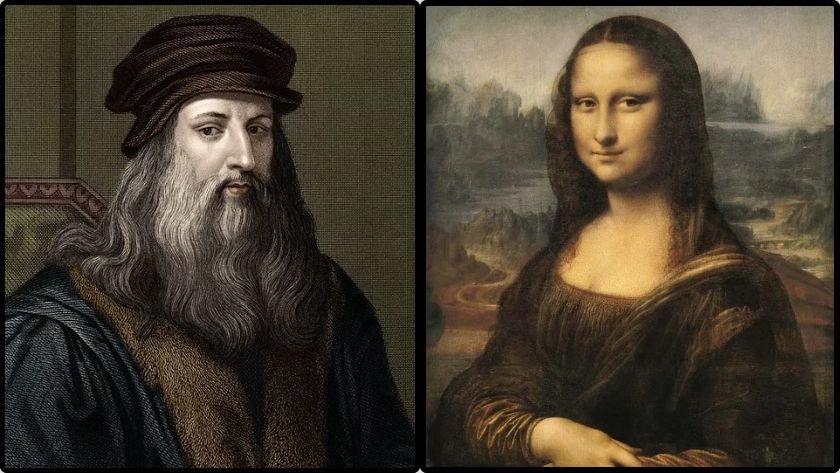
He proved that learning comes from watching and asking questions. His habits of study and observation helped world progress. Works like “Mona Lisa” and “The Last Supper” show skill and thought beyond time. His story stands as an example of human effort and an endless search for truth.
FAQs
What was Leonardo da Vinci’s age when he died?
Leonardo da Vinci was 67 years old at the time of his death on May 2, 1519.
What was Leonardo da Vinci’s net worth?
The exact number is unknown, but his income is equal to a large amount today due to working for kings and nobles.
What was Leonardo da Vinci’s height and weight?
Leonardo da Vinci stood around 5 feet 8 inches and had a medium build.
Who is Leonardo da Vinci’s wife?
Leonardo da Vinci never got married.
What is one fact about Leonardo da Vinci?
Leonardo da Vinci could draw and write at the same time using different hands.
Also Read:
